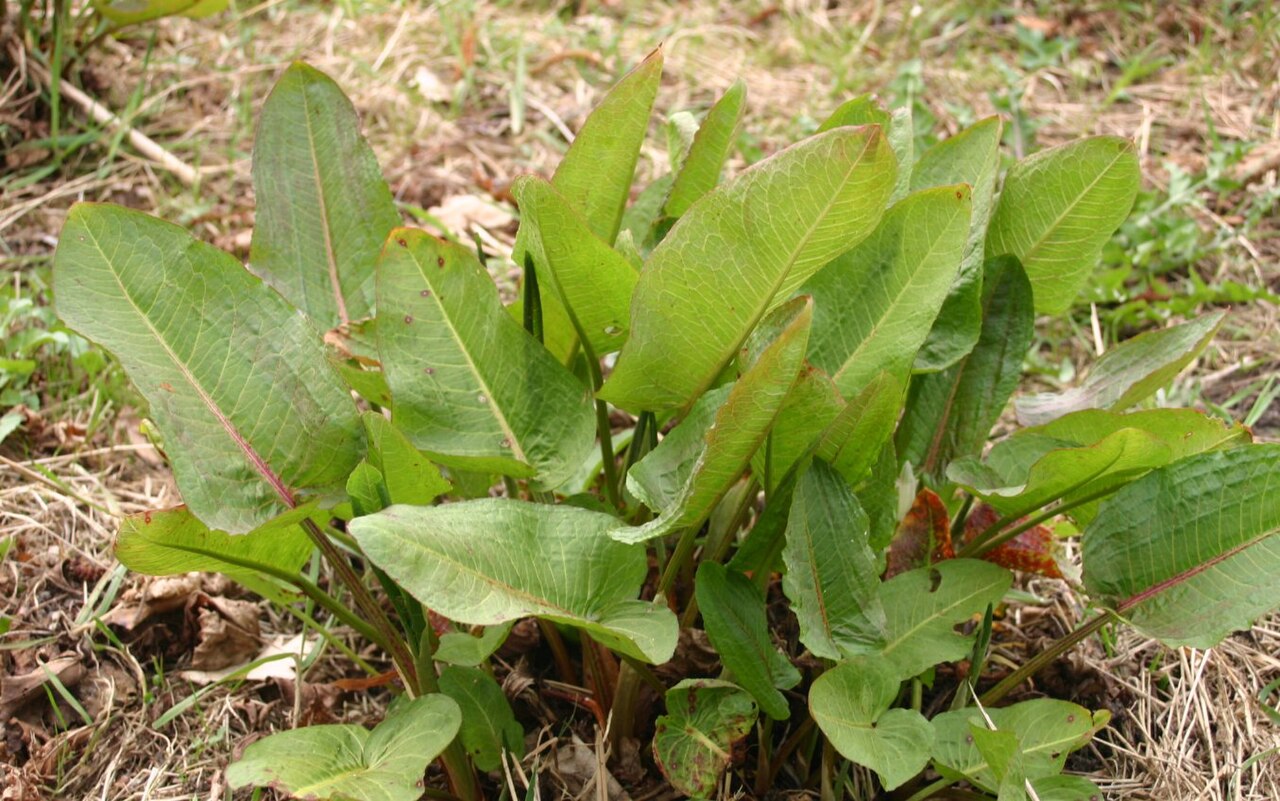
Discovering Docleaf: The Edible and Weedy Rumex Genus
The world of plants is full of fascinating dualities – species that are both a nuisance to gardeners and a culinary delight, a common weed and a vital part of an ecosystem. Among these versatile botanicals, the genus *Rumex*, widely known as docks and sorrels, stands out. Often referred to colloquially as Doc Leaf or dockweed, these robust herbs possess a rich history, significant ecological roles, and a surprising presence in pop culture, making them far more interesting than their "common weed" label suggests. From ancient Roman remedies to modern-day video game mechanics, the concept of a "Doc Leaf" bringing healing or sustenance has permeated various contexts. While the phrase might conjure images of a restorative game item for some, its roots are deeply embedded in the tangible, vibrant green of the natural world. This article will delve into the multifaceted identity of the *Rumex* genus, exploring its botanical characteristics, its journey from wild plant to plate, its surprising ecological importance, and even its digital counterpart.Understanding the Botanical Docleaf: The Diverse Rumex Genus
The *Rumex* genus is a substantial group, encompassing approximately 200 species of annual, biennial, and perennial herbs. Belonging to the buckwheat family (Polygonaceae), these plants are distinguished by their often erect growth habit and a worldwide native distribution, thriving across temperate and subtropical climates. Whether you're in a sprawling field, a humble backyard, or a wild meadow, chances are you've encountered a member of this resilient genus.Key Botanical Features:
- Roots and Leaves: Most Doc Leaf species boast long, robust taproots, anchoring them firmly in the soil. From this base emerges a distinctive basal rosette of leaves, which can vary from fleshy to leathery. Interestingly, these basal leaves often differ in shape and size from those found higher up near the plant's flowering stalks. Their leaf blade margins are typically entire (smooth) or crenate (scalloped), with minor leaf veins and sometimes stipules (small leaf-like appendages at the base of the leaf stalk).
- Flowers and Seeds: The flowers of *Rumex* species are usually inconspicuous, often green, and carried in clusters above the leaves on tall stalks that emerge from the basal rosette. While many are green, some species, like the well-known Sheep's Sorrel (*Rumex acetosella*), display striking brick-red flowers and stems, adding a splash of color to their environment. These fertile flowers are predominantly hermaphroditic, though functionally male or female flowers can also occur. Following successful pollination, each flower yields a three-sided achene, which is a dry, single-seeded fruit. These seeds often feature a distinctive round tubercle on one or all three sides, aiding in their identification.
- Etymology: The names themselves offer a glimpse into their history. "Rumex" is derived from Latin, meaning "to suck," a reference to the ancient Roman practice of sucking on the leaves to alleviate thirst – a testament to their refreshing properties. "Dock," meanwhile, stems from the Old English "docce," signifying a "tall weed," and in other European languages, it can mean "bundle" or "tuft," accurately describing their growth habit.
From Wild Weed to Culinary Gem: The Edible Side of Docleaf
While many *Rumex* species are indeed persistent weeds, often earning them the moniker "dockweed" due to their tenacious nature and vigorous growth, a significant number are cherished for their edible leaves. These culinary varieties, particularly the sorrels, have a long history of use in traditional cuisines around the globe.Edible Varieties and Their Uses:
- Sorrels (*Rumex acetosa* and *Rumex scutatus*): Perhaps the most famous edible Doc Leaf species, common sorrel and French sorrel are prized for their distinctly tart, lemony flavor. This sharp tang comes from oxalic acid, which, while delicious in moderation, means they should be consumed in reasonable quantities. They are fantastic when added raw to salads, lending a bright, zesty note, or cooked lightly in soups, sauces (especially for fish), and omelets. Traditional French cuisine, for instance, features sorrel prominently in dishes like *soupe à l'oseille* (sorrel soup).
- Broad-Leaved Dock (*Rumex obtusifolius*) and Curled Dock (*Rumex crispus*): While more commonly viewed as weeds, the young leaves of broad-leaved dock and curled dock are also edible. They are best harvested when very young and tender, before they become tough and bitter. Blanching them can reduce their tartness and improve their texture, making them suitable for use as cooked greens, similar to spinach or kale. They can be a valuable wild edible, especially in survival situations or for foraging enthusiasts.
Doc Leaf in Digital Realms: A Nod to Cassette Beasts (and Beyond)
The concept of a "Doc Leaf" isn't confined to botanical fields and ancient lore; it has also found a unique interpretation in the digital world. In the popular indie game *Cassette Beasts*, "Doc Leaf" emerges as a specific Plant-type Status Effect Move. This move bestows the target with a "Healing Leaf" status for three turns, providing sustained recovery and demonstrating a clear parallel to the plant's real-world medicinal and restorative properties. This digital rendition of Doc Leaf is obtainable in various ways within the game:- When a compatible tape levels up, reflecting a natural progression of abilities.
- Significantly, when a bootleg of a Plant type levels up, reinforcing its connection to plant-based abilities and healing.
Cultivating and Managing Docleaf: Tips for Gardeners and Foragers
Foragers:
- Identification: Always be 100% certain of identification before consuming any wild plant. Look for the distinctive basal rosette, the often crinkled or broad leaves, and the characteristic seed structures.
- Harvesting: For edible species like sorrels, harvest young, tender leaves for the best flavor and texture. For docks, aim for very young leaves before they develop bitterness.
- Preparation: Wash thoroughly. Sorrels can be used raw or lightly cooked. Docks are generally better blanched and cooked. Remember the oxalic acid content, especially with sorrel, and consume in moderation.
Gardeners (Managing as a Weed):
Docks are known for their deep taproots, which makes them notoriously difficult to eradicate once established. Manual removal is most effective when the plants are young, ensuring the entire taproot is extracted. Consistent weeding and soil improvement can help reduce their prevalence. In larger areas, strategic cultivation or cover cropping can help suppress their growth. Preventing seed production is key, as each plant can produce thousands of seeds that remain viable in the soil for years.